

Japanese Traditional Patterns
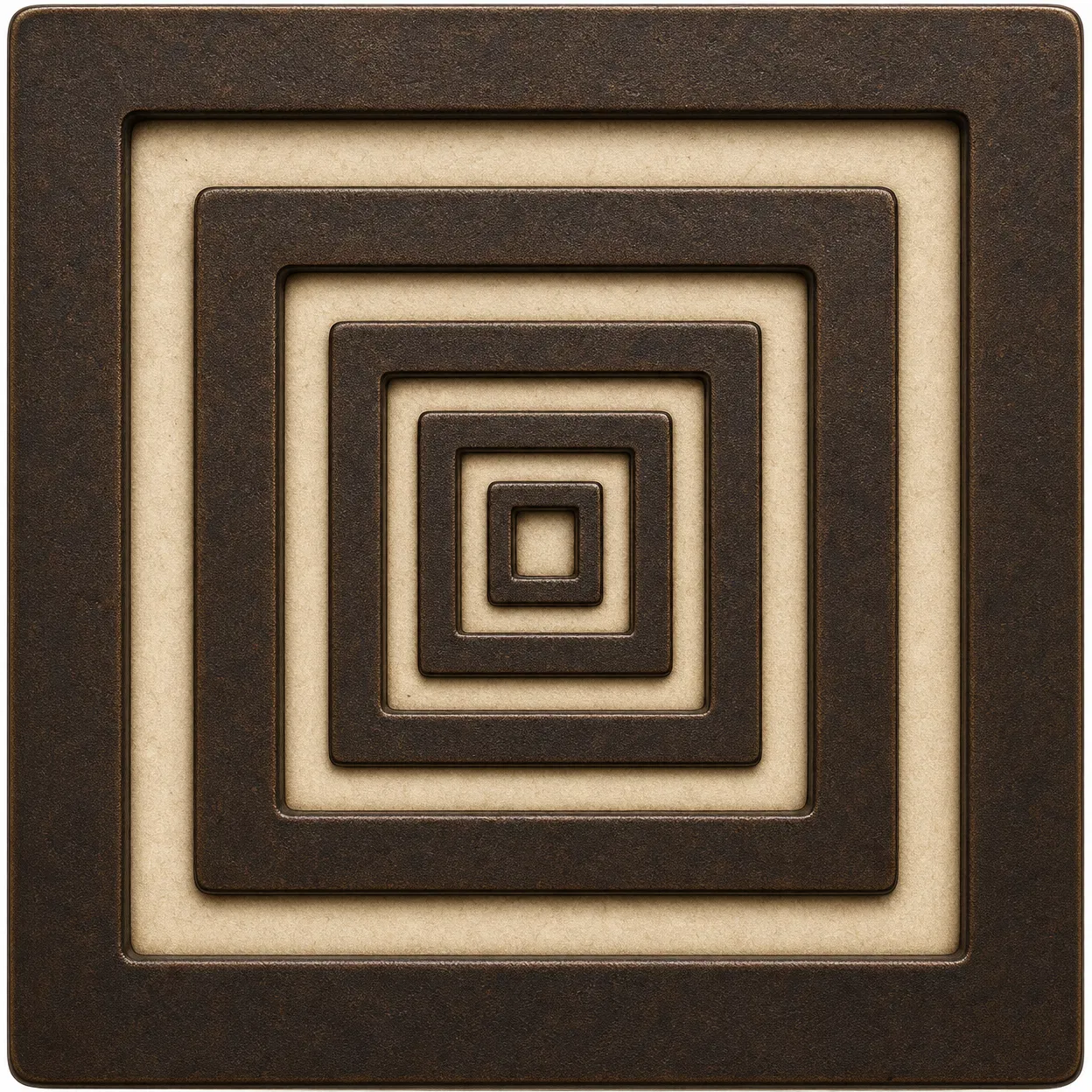
千鳥格子 (Chidorigōshi - Plovers Check)
千鳥格子
Chidorigōshi
Plovers Check
This is a twill lattice pattern that gets its name because it looks like rows of flying plovers. Chidori means “plover,” but also sounds like “take a thousand,” which is seen as lucky.
Symbolizes flying freedom and auspicious blessings. Traditionally used on kimonos and accessories, expressing hope that the wearer can soar freely like plovers with good fortune.
• Kimonos
• Belts
• Handkerchiefs
• Modern fashion accessories
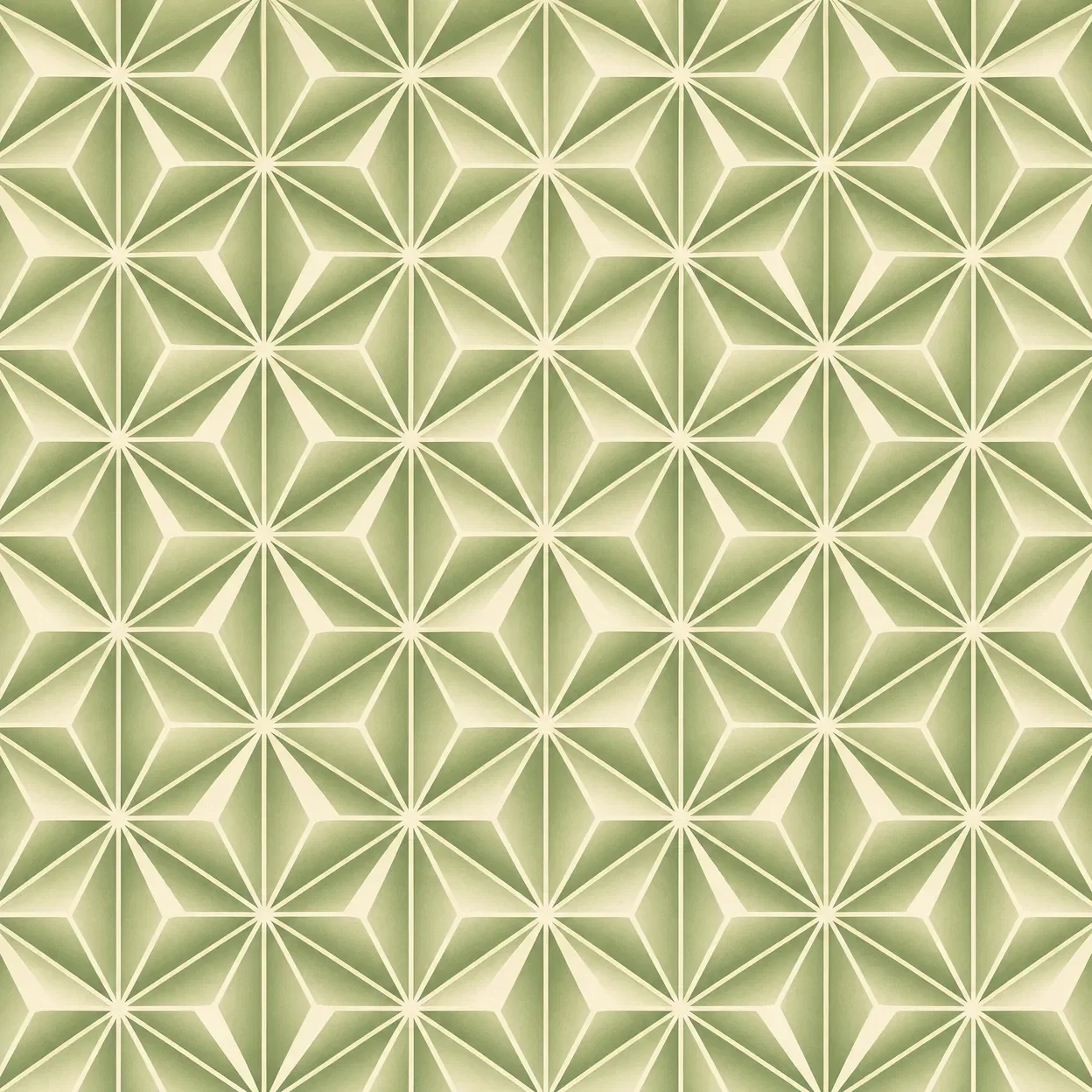
麻の葉 (Asanoha - Hemp Leaves)
麻の葉
Asanoha
Hemp Leaves
This pattern is inspired by the shape of hemp leaves, with radiating geometric shapes arranged in hexagonal tessellation. Hemp plants grow rapidly and vigorously with minimal care.
Often used on baby and children’s kimonos, this pattern carries parents’ wishes for their children to grow up healthy, strong, and vigorous.
• Children’s kimonos
• Baby products
• Home decoration
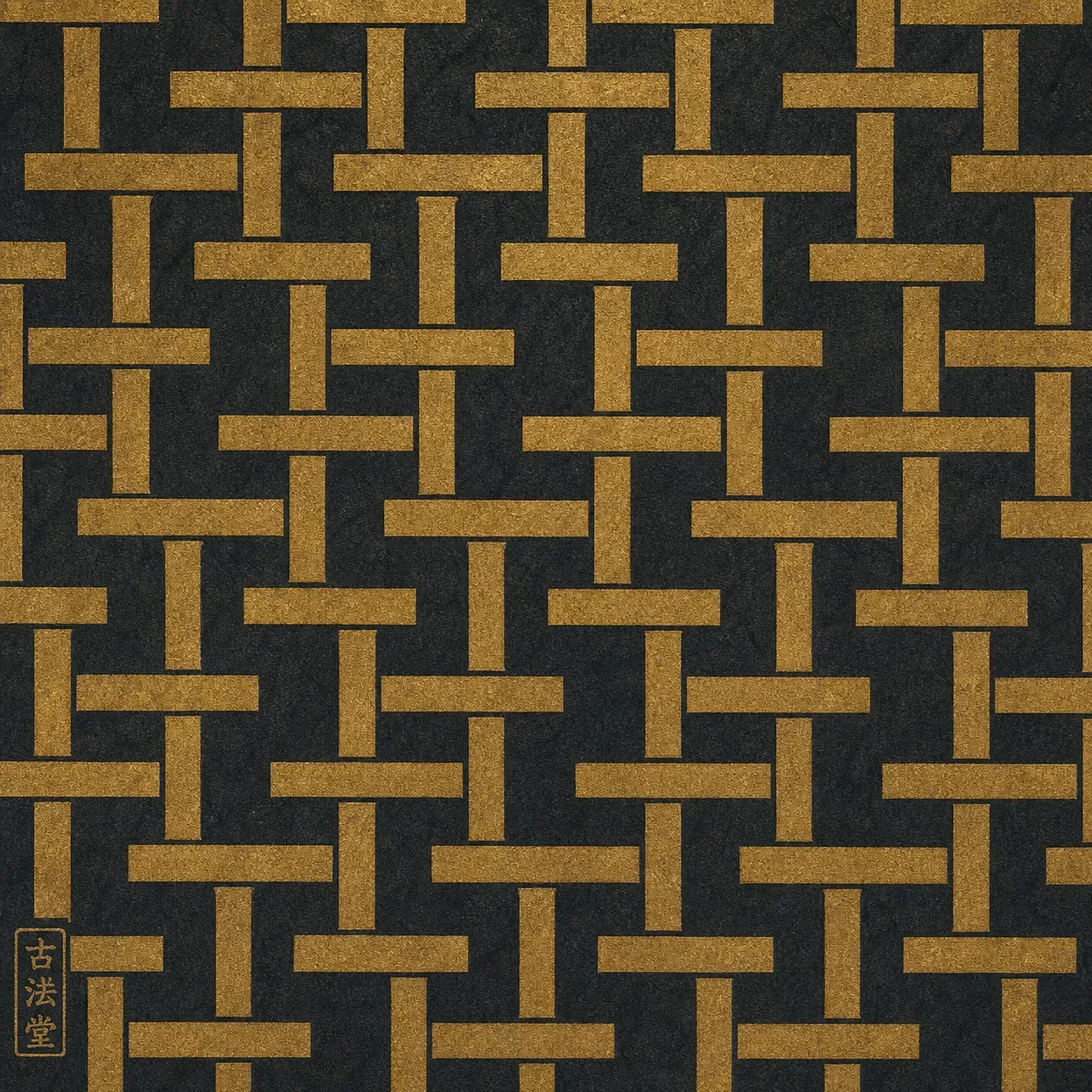
工字繋ぎ (Kōjitsunagi - Interlaced Kō Characters)
工字繋ぎ
Kōjitsunagi
Interlaced Kō Characters
This pattern is composed of repeated interlocking “kō” characters (工), creating an infinite visual effect through their continuous interconnection.
The interlocking characters symbolize the endless extension of good fortune and continuous happiness. This pattern conveys hopes that good things will flow endlessly for the wearer.
• Kimono fabrics
• Belts
• Decorative textiles
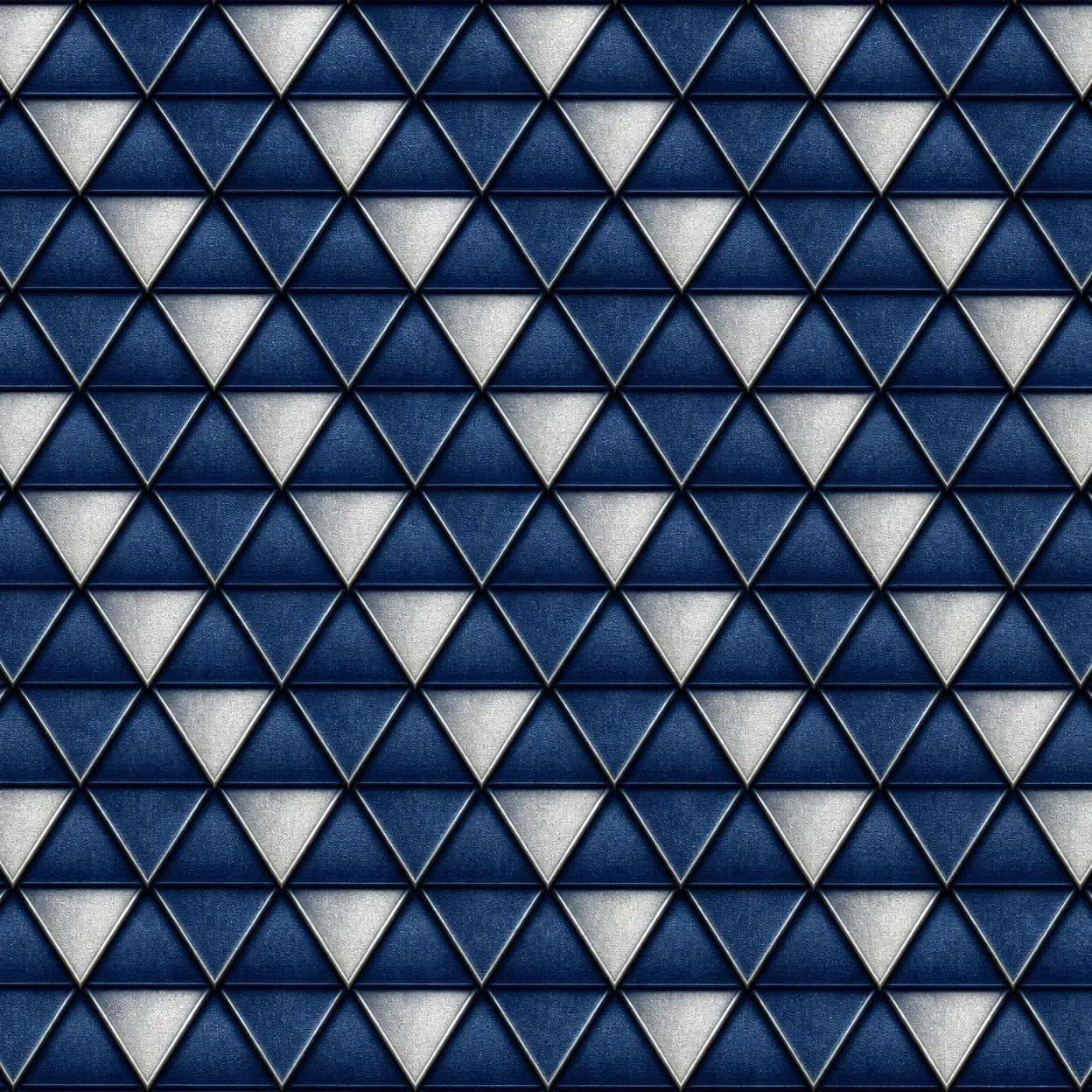
鱗 (Uroko - Scales)
鱗
Uroko
Scales
This pattern consists of overlapping triangles arranged to resemble fish or snake scales. The tight, orderly arrangement creates a protective, armor-like appearance.
Fish and snake scales symbolize hard protection and strong vitality. Samurai particularly favored this pattern, wearing it as a protective talisman to ward off harm and ensure safety.
• Samurai clothing
• Armor decoration
• Modern protective wear
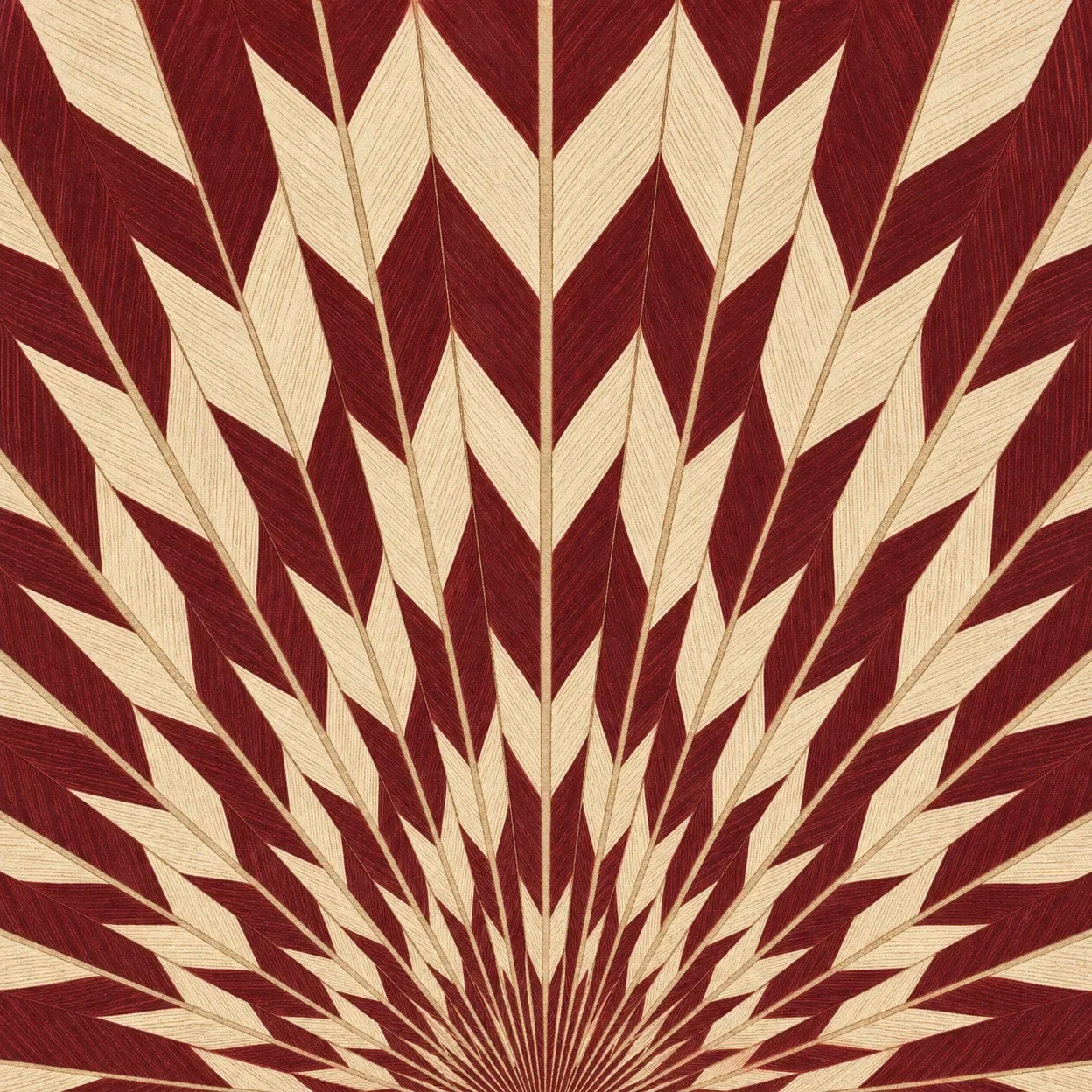
矢羽 (Yabane - Arrow Feathers)
矢羽
Yabane
Arrow Feathers
Based on hawk, eagle, and other bird feathers used in arrows, this pattern displays V-shaped forms pointing toward a focal point with clear directionality.
Arrows symbolize clear targets and unstoppable momentum. In the Edo period, brides wore kimonos with this pattern to ensure they would not need to return to their birth families, symbolizing commitment to their new lives.
• Bridal kimonos
• Graduation ceremony attire
• Modern school uniforms
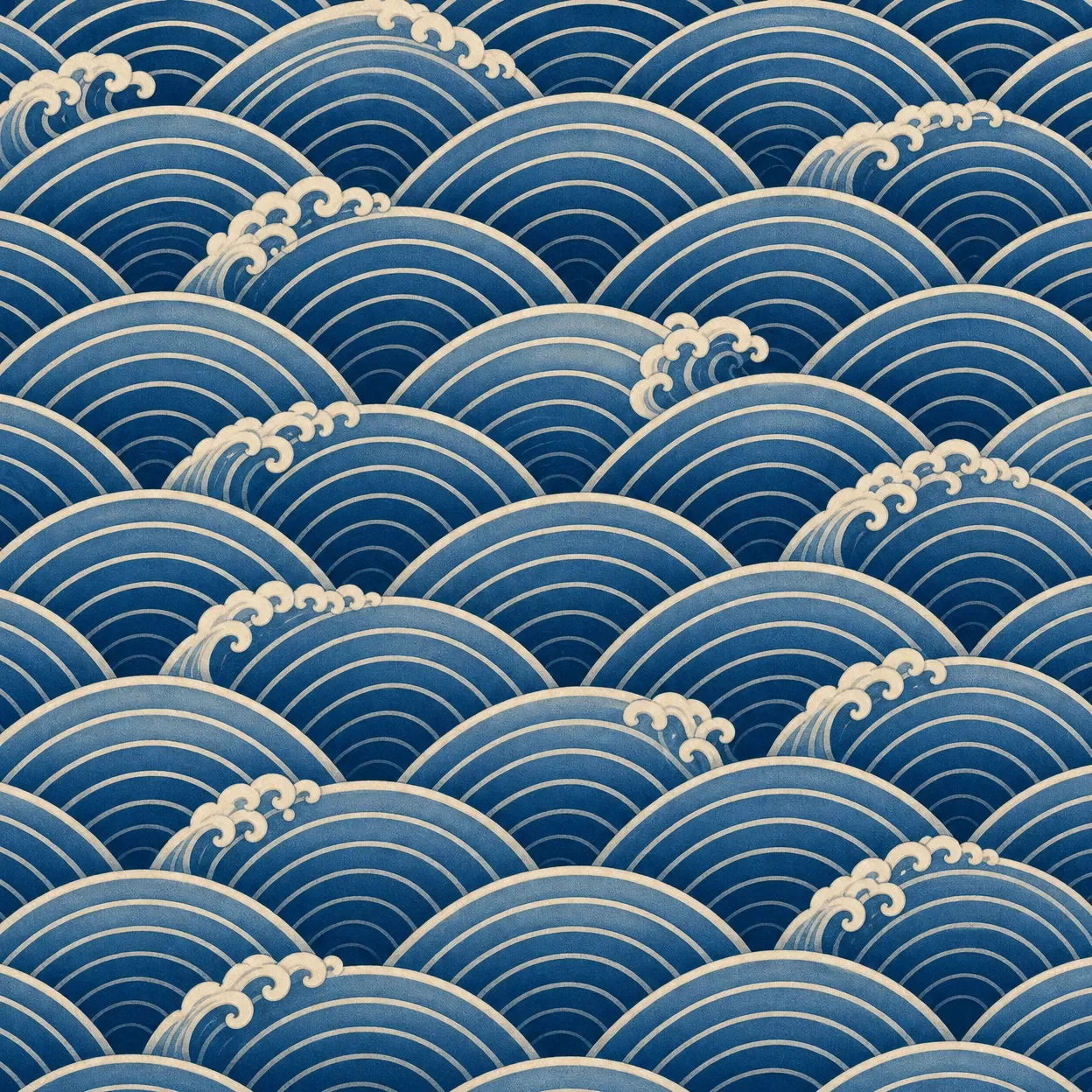
青海波 (Seigaiha - Blue Ocean Waves)
青海波
Seigaiha
Blue Ocean Waves
This pattern represents fan-shaped waves of the open sea, with overlapping layers creating a flowing visual effect. It originates from the ancient court dance called seigaiha.
Symbolizes the vastness of the sea and the eternal cycle of waves, representing harmony with nature and the continuity of life. The pattern appears in The Tale of Genji.
• Dance costumes
• High-grade kimonos
• Ceramic decoration
